If you own a home in Sammamish, WA, understanding garage door maintenance is one of the best ways to protect your investment and avoid sudden failures. This guide shows practical signs to watch for, realistic timelines for common parts, and clear next steps so homeowners can decide when to replace parts and when to call a pro.
Why timely garage door maintenance matters
Routine garage door maintenance limits safety risks and expensive emergency repairs. A well-maintained door reduces wear on the opener, prevents cables or springs from snapping, and keeps the door aligned so seals and weatherstripping perform during wet Pacific Northwest winters. Following simple inspection routines helps you spot when a component is failing and schedule replacement before a breakdown.
Key signs you should replace parts now
Watch for these specific, actionable symptoms. Each one points to a likely part needing immediate attention or replacement.
- Loud, abrupt noises: Grinding or banging often means worn rollers, loose hardware, or failing bearings.
- Door won’t stay open or is hard to lift: Weak springs or broken cables are common causes and are hazardous.
- Visible rust, fray, or distortion: Rusted tracks, frayed cables, and bent panels indicate replacement soon.
- Opener struggles or reverses: Faulty drive components or outdated openers may need parts or complete replacement.
- Slow operation or inconsistent movement: Worn rollers, hinges, or a failing opener gear can produce jerky travel.
- Gaps, drafts, or water entry: Weatherstripping and bottom seals should be replaced to protect the garage interior.
Typical parts, expected lifespans, and when to replace
Below are common parts, real-world replacement windows, and practical tips for Sammamish homeowners for effective garage door maintenance.
1. Torsion and extension springs
Springs control the heavy lifting. Torsion springs usually last 7–15 years depending on cycles; extension springs have similar ranges. If springs show gaps, rust, or if the door suddenly becomes unbalanced, plan replacement immediately. Never try to adjust or replace springs without proper tools and experience—this is a frequent reason to hire a pro for safety.
2. Cables and drums
Cables can fray over 5–10 years, especially in damp climates. If you see fraying or metal strands, replace cables and check drums for wear. A snapped cable can cause the door to fall—replace at first sign of deterioration.
3. Rollers, hinges, and tracks
Plastic rollers tend to last 3–7 years; nylon or steel rollers can last much longer. Noisy travel, wobble, or catching suggests worn rollers or bent tracks. Replace rollers and realign tracks as part of scheduled garage door maintenance to restore smooth movement.
4. Garage door opener and its components
Openers typically last 10–15 years. Signs you need parts or replacement include grinding sounds, slow response, or frequent resets. Sometimes replacing the drive gear or logic board is enough; other times a full opener replacement improves reliability and adds modern safety features like rolling-code remotes.
5. Weatherstripping and seals
Seals keep out moisture, dirt, and pests. Expect to replace rubber bottom seals and jamb weatherstrips every 5–10 years or after visible cracking. Given Sammamish’s rainy seasons, check seals annually—replace them before water or drafts cause damage to stored items.
How to plan maintenance: DIY checks and when to call pros
Good garage door maintenance mixes homeowner inspections with periodic professional service. Do basic checks yourself monthly and schedule a professional inspection yearly.
- Monthly DIY: Visual check for frayed cables, loose bolts, worn weatherstripping, and noisy operation. Test the safety sensors and the auto-reverse feature.
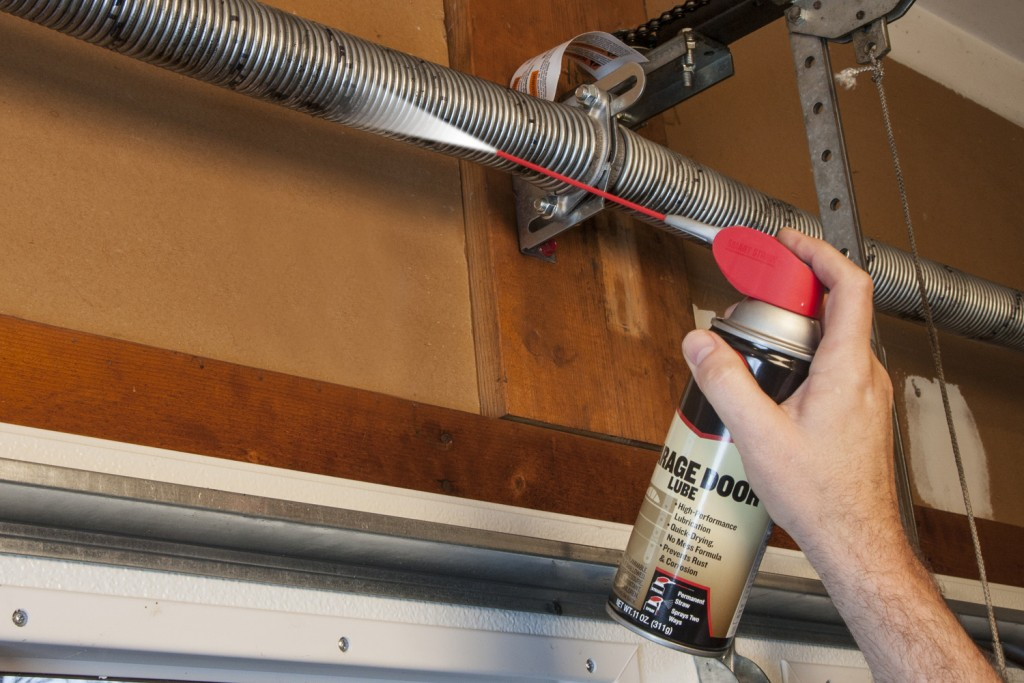
- Quarterly tasks: Lubricate rollers, hinges, and springs with a recommended lubricant; clean tracks and tighten hardware.
- Annual professional service: A pro can balance the door, measure spring cycles, check opener force settings, and replace worn parts safely.
For parts with high risk—springs, cables, major opener repairs—hire a trained technician. Professional replacement ensures correct parts, safe installation, warranty coverage, and compliance with local codes. Learn more about full-service options on our services page: https://garagedoors-sammamish.com/services
Local considerations for Sammamish, WA homeowners
Sammamish has wet winters and seasonal temperature swings. These local factors affect how often parts wear and when you should replace them.
- Moisture and rust: Regularly inspect metal components for rust. Replace rusty rollers, tracks, and hinges before they seize.
- Temperature swings: Rubber seals and springs can degrade faster; inspect them seasonally.
- Home value and aesthetics: If you plan to sell, consider replacing dented panels and worn weatherstripping during upgrades to improve curb appeal.
If you want seasonal tips and maintenance checklists tailored to the region, our blog has practical articles and step-by-step guides: https://garagedoors-sammamish.com/blog
Budgeting, warranties, and permits
Costs vary by part and door type. As a rule of thumb:
- Springs and cables: moderate cost; expect professional labor for safe replacement.
- Rollers, hinges, weatherstripping: lower material cost; reasonable labor if you hire a tech.
- Openers: higher cost; replacing an old opener can reduce future repairs and add safety features.
Many manufacturers provide limited warranties on parts. Keep receipts and installation records. For structural changes (like replacing heavy sectional doors with different mounting), check local permit rules. Most routine part replacements do not require permits in residential settings, but if you change structural components, contact the City of Sammamish building department for guidance.
Ready to schedule a safety check or get a repair estimate? Contact our local team today to set an appointment: https://garagedoors-sammamish.com/contact
Regular garage door maintenance prevents inconvenient failures and keeps your home safe. Replace parts when symptoms appear, follow a seasonal checklist, and use professional services for high-risk components to prolong the life of your door.
Frequently asked questions — Sammamish, WA
How often should I schedule garage door maintenance in Sammamish?
Schedule a professional inspection at least once a year and perform quick visual checks monthly. With our wet winters, inspect seals and rollers before and after the rainy season.
Do I need to replace springs after a certain number of years?
Torsion springs usually last 7–15 years depending on cycles. Replace them immediately if you notice gaps, rust, or the door loses balance. Always hire a pro for spring replacement.
What are typical local costs to replace common parts?
Costs vary: weatherstripping and seals are relatively inexpensive; springs and cables are moderate; openers are higher. Expect regional labor rates—get a local estimate for an accurate range.
Do I need a permit to replace a residential garage door or parts in Sammamish?
Routine part replacements usually don’t need a permit. Structural changes or replacing a door with a different opening size may require a permit—check with the City of Sammamish building department if your work changes the opening or framing.
Are replacement parts covered by warranty?
Many manufacturers offer limited warranties on springs, openers, and hardware. Keep installation records and ask the technician about warranty length for parts and labor before work begins.
Helpful local resources in Sammamish, WA
- Garage Door Repair Seattle
- Garage Door Repair Bellevue
- Garage Door Repair Redmond
- Garage Door Repair Kirkland
- Garage Door Repair Mercer Island
- Garage Door Repair Edmonds
- Garage Door Repair Issaquah
- Garage Door Repair Tacoma
- Garage Door Repair Everett
- Garage Door Repair Bothell
- Garage Door Repair Sammamish
- Garage Door Repair Renton
- Garage Door Repair Lynnwood
- Garage Door Repair Woodinville
- Garage Door Repair University Place
- Garage Door Repair Gig Harbor
- Garage Door Repair Lakewood
- Garage Door Repair Puyallup
- Garage Door Repair Mukilteo
- Garage Door Repair Vancouver
- Garage Door Repair Kenmore
- Garage Door Repair Burien
- Garage Door Repair Auburn
- Garage Door Repair South Hill
- Garage Door Repair Yarrow Point
- Garage Door Repair Clyde Hill
- Garage Door Repair Port Townsend
- Garage Door Repair Duvall
- Garage Door Repair Snoqualmie