Living in Sammamish, WA, many homeowners notice their garage is one of the noisiest parts of the house. This guide explains practical noise reduction steps you can use before and after calling for garage door repair. You’ll find clear fixes, expected timelines, and when to call a pro to protect your investment and keep your family comfortable.
Why a noisy garage door happens
Noise comes from moving parts, worn components, and the way the door transfers vibration into the house. Typical culprits include worn rollers, dry or damaged hinges, loose fasteners, an aging opener, and poor door balance. In wet Pacific Northwest weather, moisture and temperature swings accelerate wear and cause parts to squeak or clack.
Common sources of noise
- Rollers: Steel rollers produce more vibration than nylon; worn bearings make a grinding or rattling sound.
- Hinges and tracks: Bent or loose components cause scraping and banging.
- Opener and motor: Worn gears or loose mountings transmit buzz and hum into the ceiling joists.
- Door panels and seals: Gaps and thin panels can amplify vibration and let wind noise in.
Practical noise reduction solutions homeowners can use
Start with simple, cost-effective steps. Many fixes are DIY-friendly, but if you’re uncomfortable with tools or the opener, schedule professional garage door repair to avoid injury.
Routine maintenance that reduces sound
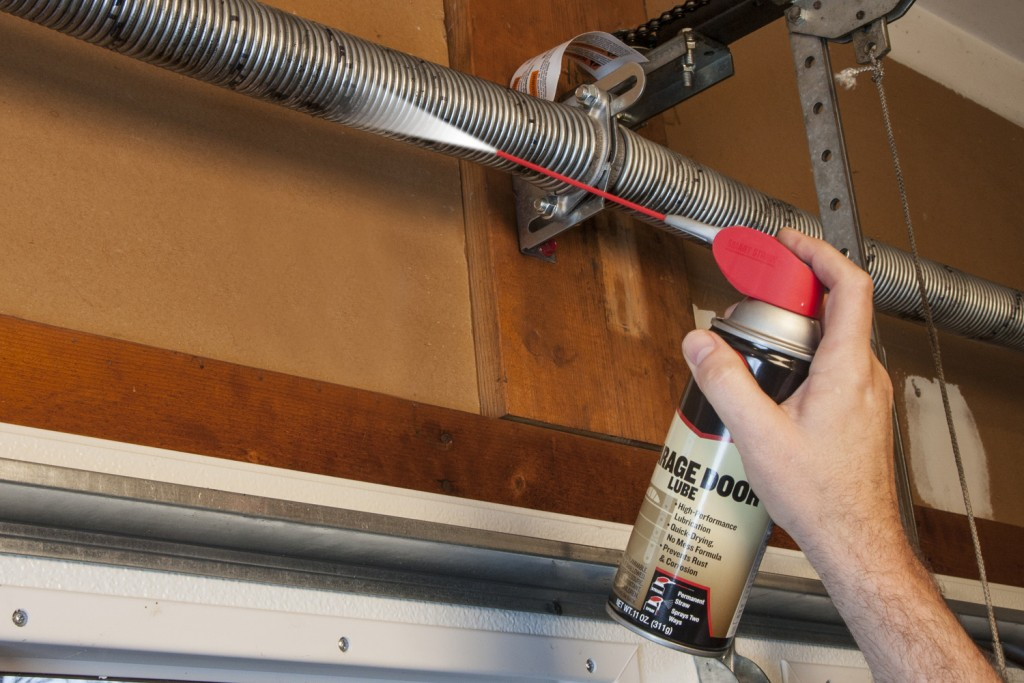
- Lubricate moving parts: Use a silicone-based or garage-door-specific lubricant on hinges, rollers, springs, and the opener rail. Avoid heavy grease on tracks.
- Tighten fasteners: Check and tighten bolts on brackets, tracks, and the opener mount weekly after heavy use.
- Replace worn rollers: Swap steel rollers for nylon rollers to cut noise significantly.
- Balance the door: An unbalanced door strains the opener and makes louder operation; proper balance reduces vibration and wear.
Upgrades to consider for quieter operation
- Install nylon or sealed-bearing rollers to reduce squeak and rattle.
- Switch to a belt-drive opener if your current door uses a chain-drive model—belt drives are noticeably quieter inside a home.
- Add weather stripping and threshold seals to reduce wind-driven noise and rattling panels.
- Install vibration-isolating garage door brackets or rubber mounting for the opener to reduce noise transmission into the framing.
Insulation and panel upgrades
Insulation does more than improve energy efficiency; it also dampens noise. In Sammamish’s climate, insulating the door can reduce reverberation and exterior sounds.
Options for insulation and damping
- Retrofit insulation kits: Fiberglass or foam board kits add mass and reduce panel vibration.
- Replace panels with insulated steel or foam-core doors for long-term noise control and durability.
- Apply acoustic tape or adhesive-backed damping material on the interior face of panels for localized sound reduction.
Before major upgrades, monitor the door’s behavior for a week after basic maintenance. Many homeowners who perform lubrication and roller swaps notice a 30–50% drop in perceived noise without replacing the door.
When to call professional garage door repair
Some tasks—spring adjustments, opener motor replacement, and lift cable repair—are hazardous for DIYers. Call a trained technician when you observe any of the following:
- Persistent grinding, snapping, or metal-on-metal sounds after maintenance.
- Door moves unevenly, or sections slap against tracks.
- Visible spring or cable damage, or if the door will not stay open.
- You want a quieter opener upgrade like a belt-drive installation or a complete insulated door replacement.
For project planning, see our full list of options and service offerings on our services page: https://garagedoors-sammamish.com/services. If you need a diagnosis or to schedule a technician, use our contact form: https://garagedoors-sammamish.com/contact.
Typical timelines and pricing cues
- Minor maintenance (lubrication, tightening, small part swaps): 30–90 minutes; often same-day.
- Roller replacement or opener tuning: 1–3 hours depending on door size and access.
- Opener replacement or insulated door installation: half to a full day; plan for a service visit and possible follow-up for fine-tuning.
- Ballpark pricing in Western Washington: routine service and small part work often fall in the low hundreds; opener or door replacement ranges higher—request an estimate for accurate local pricing.
Local weather in Sammamish affects timelines: high humidity and salt-free coastal air are kinder than oceanfront climates, but wet winters still require seasonal checks. For detailed articles and seasonal tips, visit our blog: https://garagedoors-sammamish.com/blog.
Choosing a qualified technician in Sammamish
Look for a local company that offers clear estimates, insurance, and a written warranty. Ask specifically about parts warranty and motor guarantees on openers. A reputable technician will inspect springs and cables, test door balance, and explain noise-reduction options with expected benefits.
Questions to ask before hiring
- What warranty covers parts and labor? Get it in writing.
- Do they use nylon rollers and belt-drive openers as quieter options?
- Can they show before-and-after sound improvement or provide references from nearby homes?
If you decide a professional visit is best, call to arrange a local inspection. For service booking and a written estimate, use our contact page above or call directly via the button below.
Sound reduction for your garage is a mix of inspection, routine care, and targeted upgrades. Whether you need simple maintenance or a quieter opener and insulated panels, focused garage door repair makes a clear difference for Sammamish homes.
Frequently Asked Questions — Sammamish, WA
How does Sammamish weather affect garage door noise?
High humidity and seasonal wet weather can cause metal parts to corrode and seals to stiffen. That increases squeaks and clacks. Regular lubrication every 3–6 months and seasonal inspections reduce weather-related noise.
How long does typical noise-reduction service take?
Minor noise fixes—lubrication, tightening, replacing a few rollers—usually take 30–90 minutes. Upgrades like a new belt-drive opener or insulated door can take half a day to a full day and may require a follow-up tune-up.
What price range should Sammamish homeowners expect?
Basic maintenance and small part replacements often cost under $300. Roller or hinge upgrades and opener tuning are typically $200–$600. Opener replacement or new insulated doors are higher; get a written local estimate for exact pricing.
Are there permits required for garage door replacement in Sammamish?
Most residential door replacements don’t require a permit if you’re swapping like-for-like. Structural changes, new framing, or adding a larger door may need permits. Check with the City of Sammamish building department or ask your installer to confirm permit needs.
Do local warranties cover noise issues?
Parts and labor warranties vary. Manufacturer warranties on openers and doors cover defects; workmanship warranties cover installation. Ask for written warranty details and how noise complaints are handled locally.
Helpful local resources in Sammamish, WA
- Garage Door Repair Seattle
- Garage Door Repair Bellevue
- Garage Door Repair Redmond
- Garage Door Repair Kirkland
- Garage Door Repair Mercer Island
- Garage Door Repair Edmonds
- Garage Door Repair Issaquah
- Garage Door Repair Tacoma
- Garage Door Repair Everett
- Garage Door Repair Bothell
- Garage Door Repair Sammamish
- Garage Door Repair Renton
- Garage Door Repair Lynnwood
- Garage Door Repair Woodinville
- Garage Door Repair University Place
- Garage Door Repair Gig Harbor
- Garage Door Repair Lakewood
- Garage Door Repair Puyallup
- Garage Door Repair Mukilteo
- Garage Door Repair Vancouver
- Garage Door Repair Kenmore
- Garage Door Repair Burien
- Garage Door Repair Auburn
- Garage Door Repair South Hill
- Garage Door Repair Yarrow Point
- Garage Door Repair Clyde Hill
- Garage Door Repair Port Townsend
- Garage Door Repair Duvall
- Garage Door Repair Snoqualmie