Intro: Why Sammamish, WA homeowners should watch smart garage systems
If you own a home in Sammamish, WA, your smart garage systems are more than a convenience — they protect vehicles, tools, and packages. Cold, damp winters and wet springs in the Pacific Northwest accelerate wear on sensors, rollers, springs, and opener electronics. This guide helps Sammamish homeowners know when to replace parts, when to schedule a residential service, and when a full upgrade is a smarter home improvement investment.
Signs a part needs replacement
Early detection saves money and keeps your garage doors and smart garage systems running reliably. Look for these clear signs:
- Unusual noises: Grinding or loud bangs point to failing springs or worn gears.
- Slow or uneven movement: One side lagging means rollers or tracks are failing.
- Intermittent smart features: If the app disconnects, or remote responses lag, opener electronics or Wi-Fi modules may be failing.
- Door won’t close fully: Faulty sensors, misaligned tracks, or failing safety systems require immediate attention.
When these symptoms appear, replacing the specific part — not the whole system — is often possible. However, in older setups where several components are near end-of-life, a partial replacement can be a stepping stone to a full modern smart garage systems upgrade.
Common parts, expected lifespans, and replacement triggers
1. Torsion springs (mechanical heart)
Torsion springs typically last 7–12 years depending on cycles. In Sammamish’s damp climate, corrosion shortens life. Replace springs immediately if you notice gaps in the coil, loud snaps, or sudden door imbalance. Attempting DIY spring replacement is hazardous — call a qualified residential service.
2. Rollers, hinges, and tracks (movement components)
Rollers and hinges last 8–15 years, but nylon rollers often outlast metal. Replace when you see chips, wobble, or rough travel. Misaligned or dented tracks cause premature wear; a technician can realign or replace sections.
3. Garage door opener and smart modules (electronics)
Openers and built-in smart modules last 10–15 years. If your smart garage systems lose Wi‑Fi connectivity, drops commands, or the motor struggles, the opener or its circuit board may be failing. Batteries in wireless remotes and keypad modules usually last 2–4 years; replace batteries first before swapping whole modules.
4. Safety sensors and photo-eyes
Sensors can fail after moisture intrusion or physical knocks. If the door reverses unexpectedly or won’t close, check sensor alignment and cleanliness. Replace sensors showing persistent faults or visible corrosion.
5. Weather seals and bottom rubber
Seals degrade faster in Pacific Northwest weather. Replace cracked or compressed seals annually to protect the garage interior from moisture and pests — a small home improvement step with clear returns.
Weather, usage, and lifecycle planning in Sammamish
Sammamish homeowners face seasonal humidity and frequent rain. That environment shortens lifespans for metal parts and electronics. Use this planning table as a rule of thumb:
- High usage homes (heavy daily cycles): inspect springs and opener annually; expect replacements closer to the low end of lifespan ranges.
- Moderate use (typical family): inspect every 2 years; replace components when symptoms appear.
- Low use (secondary garage): observe seals and batteries annually.
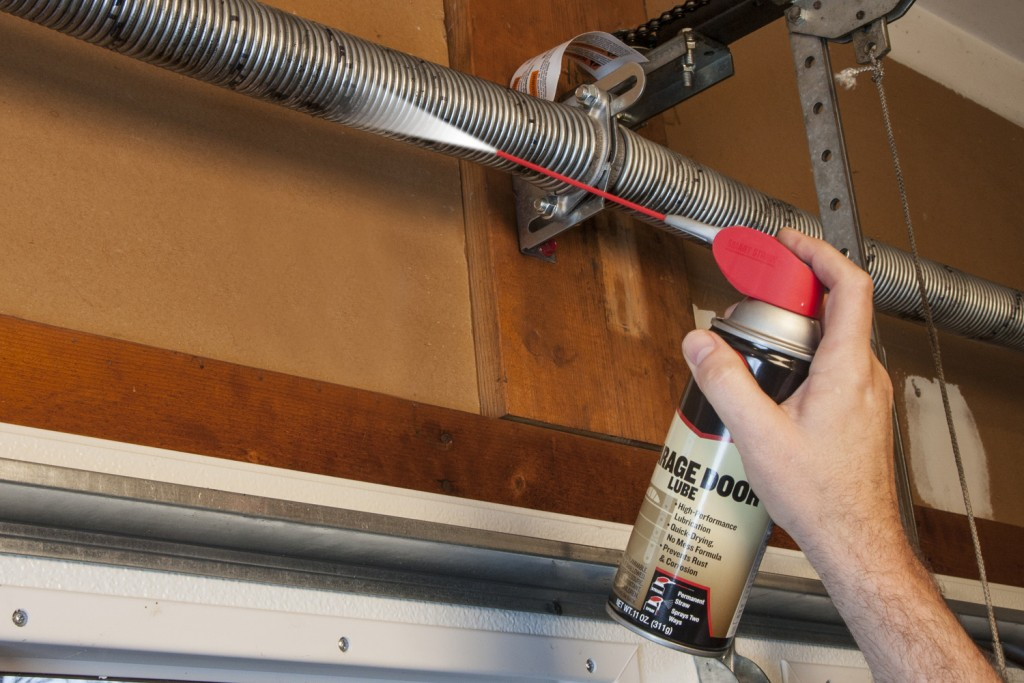
Routine lubrication and keeping sensors clear of debris are low-cost preventive measures that extend component life. For a scheduled maintenance check, consider a local residential service to perform a safety inspection and address small issues before they escalate.
Deciding between part replacement and a system upgrade
If more than two major components are near end-of-life, or if your smart garage systems predate modern security protocols and integrated apps, a phased upgrade could be more economical. Upgrading to a newer opener with built-in Wi‑Fi, encrypted access, and battery backup can improve reliability during Sammamish power fluctuations and weather events.
Questions to ask before upgrading:
- Are springs and major hardware under 8 years old?
- Is the door panel rusted or heavily dented?
- Does the opener support modern smart home standards (Z‑Wave, Wi‑Fi, HomeKit compatibility)?
If you answer no to one or more, plan a combined replacement: hardware, opener, and updated smart modules for long-term reliability.
DIY vs professional replacement: safety and local codes
Some homeowners in Sammamish can replace batteries, remotes, and weather seals safely. But components under tension (springs) or involving electrical wiring should be handled by licensed technicians. A pro can also ensure your installation meets local building code requirements and safety standards.
Before hiring, ask the residential service about parts warranties, permit handling for structural changes, and whether they provide corrosion-resistant hardware suited for WA’s climate. For trusted local guidance, check our services page for standard offerings and maintenance plans: https://garagedoors-sammamish.com/services.
How to schedule inspection or part replacement
Document your symptoms, the door model, and any recent noise or performance changes. When you call, a technician can often diagnose issues over the phone and advise whether a same-day visit is likely required. If you prefer to prepare reading or maintenance tips first, our blog has local articles on care and troubleshooting: https://garagedoors-sammamish.com/blog.
To request an estimate or emergency service in Sammamish, use our contact page for the fastest response and local scheduling: https://garagedoors-sammamish.com/contact.
Maintenance checklist for smart garage systems
- Monthly: Test auto-reverse, check sensors, clear debris.
- Biannual: Lubricate rollers, hinges, and bearings; test wireless remotes and battery backups.
- Annual: Full safety inspection by a residential service technician; inspect springs and electronics for corrosion or wear.
Keeping a simple log of inspections helps you time replacements and improves resale value if you sell in the Sammamish market.
Final advice: Prioritize safety and local conditions
Smart garage systems give modern convenience, but part failure can create safety risks. In Sammamish’s damp climate, proactive replacement of springs, seals, and corroded parts prevents costly failures. When in doubt, schedule a professional inspection to get a targeted list of parts to replace and a clear timeline for upgrades.
For help with diagnostics, timelines, or to schedule a local visit, contact our team through the contact link above or book a service visit today.
Frequently asked questions
Q: How does Sammamish weather affect smart garage systems?
A: High humidity and frequent rain accelerate corrosion on springs, tracks, and electronic contacts. Inspect metal parts and circuit boards annually and replace corroded parts promptly to avoid failures.
Q: How long before a torsion spring should I plan replacement in WA?
A: In Sammamish, expect 7–10 years for typical springs under regular use. If you hear creaks, see uneven gaps, or the door becomes hard to lift, schedule a professional replacement immediately — springs are dangerous to handle without tools and training.
Q: What price range should homeowners expect for common part replacements?
A: Basic parts: rollers or seals $75–$250. Springs typically $150–$300 per spring installed. Smart opener modules or complete openers range $400–$1,200 depending on features. Local labor and parts availability affect final cost.
Q: Do I need a permit in Sammamish to replace a garage door opener or springs?
A: Minor repairs usually don’t require permits, but structural changes to the opening or electrical upgrades may. A qualified residential service will confirm permit needs and, if required, can handle filings to Sammamish building authorities.
Q: Will replacing one part void my warranty for other smart garage components?
A: Replacing manufacturer parts with OEM components typically keeps warranties valid. Non-OEM installations can void warranties. Always confirm compatibility and warranty terms before replacing modules in smart garage systems.
Helpful local resources in Sammamish, WA
- Garage Door Repair Seattle
- Garage Door Repair Bellevue
- Garage Door Repair Redmond
- Garage Door Repair Kirkland
- Garage Door Repair Mercer Island
- Garage Door Repair Edmonds
- Garage Door Repair Issaquah
- Garage Door Repair Tacoma
- Garage Door Repair Everett
- Garage Door Repair Bothell
- Garage Door Repair Sammamish
- Garage Door Repair Renton
- Garage Door Repair Lynnwood
- Garage Door Repair Woodinville
- Garage Door Repair University Place
- Garage Door Repair Gig Harbor
- Garage Door Repair Lakewood
- Garage Door Repair Puyallup
- Garage Door Repair Mukilteo
- Garage Door Repair Vancouver
- Garage Door Repair Kenmore
- Garage Door Repair Burien
- Garage Door Repair Auburn
- Garage Door Repair South Hill
- Garage Door Repair Yarrow Point
- Garage Door Repair Clyde Hill
- Garage Door Repair Port Townsend
- Garage Door Repair Duvall
- Garage Door Repair Snoqualmie