If you own smart garage systems in Sammamish, WA, this guide helps you identify fast fixes and when to call a pro. Smart features add convenience, but local weather and older garage doors can create faults that are easy to diagnose.
Quick checks before calling a technician
Start with simple troubleshooting to save time. Many common problems are resolved in minutes with the right checklist.
- Power and Wi‑Fi: confirm the opener has power and your home network is up.
- App status: open the manufacturer app to view device state and alerts.
- Manual test: disconnect the opener carriage and lift the door by hand to check balance and smooth travel.
- Sensors and alignment: inspect safety sensors for dirt, condensation, or misalignment.
For deeper reading on installations and recurring tips, see our blog.
Common connectivity and app problems
Connectivity is the most frequent complaint with smart garage systems. In Sammamish neighborhoods with heavier tree cover or older routers, signal issues are common.
Wi‑Fi and range
If the opener drops connection, move your router, add a mesh node in the garage, or use a Wi‑Fi extender compatible with the opener. Check for firmware updates in the app—manufacturers release fixes that improve stability.
Account and pairing errors
Sometimes the device loses its cloud pairing after a power surge. Log out of the app, reboot the opener and router, then re‑pair following manufacturer steps. If two‑factor auth or account lockouts occur, use account recovery through the maker’s support.
Mechanical issues and sensors
Mechanical faults often masquerade as smart system failures. Address mechanical basics first to determine if the smart component is at fault.
Door balance and strain
A door that’s too heavy or out of balance puts extra load on the opener. Test balance by disconnecting the opener and raising the door manually; it should stay open about halfway. If not, the springs need adjustment—this is a job for a trained technician due to high tension.
Safety sensors and photoeyes
Rain, fog, or debris in Sammamish can block the photoeyes or cause condensation. Clean lenses with a soft cloth, realign the sensors so their LEDs show steady alignment, and clear obstructions in the travel path.
Limit switches and travel issues
If the door reverses or won’t close fully, check the limit and force settings in the opener. These settings control how far the motor drives the door and the force applied when meeting resistance. Small adjustments can restore normal operation.
Weather, maintenance, and local tips
Sammamish’s damp winters and seasonal storms affect moving parts and electronics in residential service gear. Regular maintenance reduces emergency calls and extends the life of both the door and its smart components.
Seasonal checklist
- Inspect seals and weatherstripping for leaks after heavy rain.
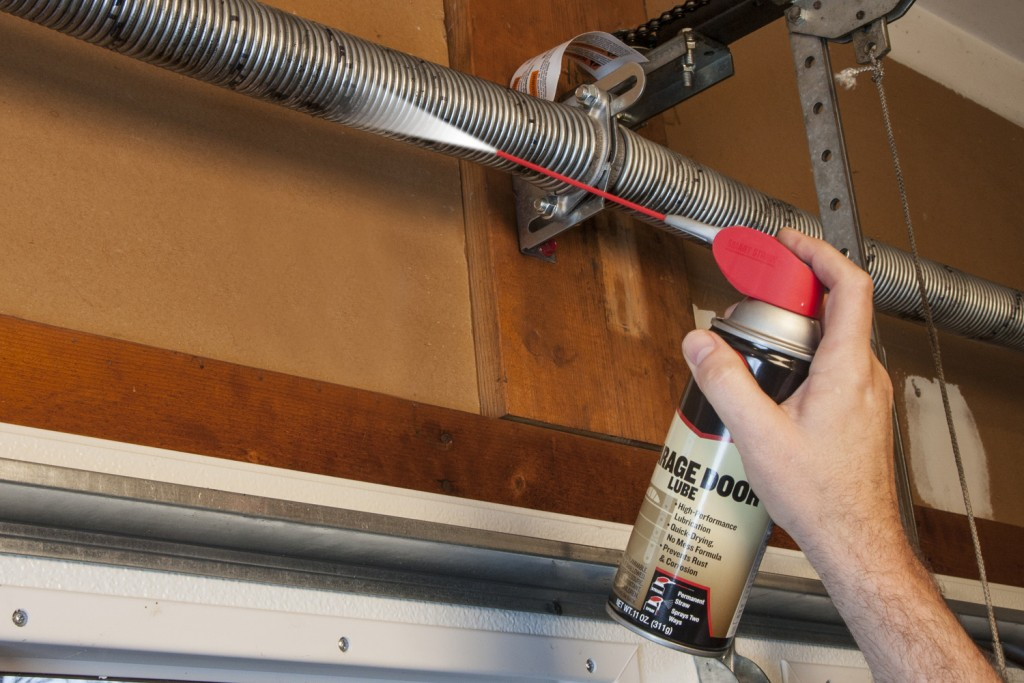
- Lubricate rollers, hinges, and the torsion spring bearing annually with manufacturer‑approved lubricants.
- Check for corrosion on exposed metal and protect connections from moisture.
- Keep the garage well ventilated to minimize condensation that can affect sensors and electronics.
When to schedule professional service
Call a pro if you notice grinding noises, a door that won’t stay open, visible spring damage, or if firmware resets don’t restore connectivity. A trained technician can diagnose whether the issue lies in the opener electronics, the door hardware, or the home network.
We offer onsite diagnostics and repairs for homeowners — see our services for full details or contact us to schedule a visit.
Safety and replacement considerations
Smart garage systems integrate electronics with moving parts—safety must come first. Never attempt spring replacement yourself. Use certified technicians for high‑tension components and when installing a new smart opener.
When replacing an old opener, consider compatibility with your current garage door. Some doors require higher‑torque openers or different mounting hardware. Ask about warranties on labor and parts and request a written estimate before work begins.
For a local troubleshooting checklist and faster service, keep the opener model, purchase date, and any error codes handy when you call. This helps technicians diagnose issues faster and may allow same‑day repairs for many common faults.
Frequently Asked Questions
Q: How does Sammamish weather affect smart garage systems?
A: Damp, cool winters and seasonal storms in Sammamish can cause condensation on sensors, corrosion on connectors, and reduced battery life in remotes. Clean sensors, seal gaps, and schedule annual checks before winter.
Q: How long will a typical repair take?
A: Minor fixes like sensor alignment, lubrication, or software resets often take 30–90 minutes. Spring or cable repairs and opener replacements usually take 1–3 hours, depending on parts availability.
Q: What are typical price ranges for common repairs in Sammamish?
A: Diagnostic fees commonly range $75–$125. Minor repairs run $150–$350. Opener replacements typically range $400–$900 depending on model and features. Always ask for a written estimate.
Q: Are there warranties for smart garage upgrades?
A: Manufacturer warranties cover electronic components; local contractors often provide a labor warranty (30–365 days). Confirm both before work and get terms in writing.
Q: Do I need a permit to install a new smart opener in Sammamish?
A: Most opener replacements are minor, but electrical changes or structural modifications can require permits. Check with the City of Sammamish building department or ask your technician to advise.
Helpful local resources in Sammamish, WA
- Garage Door Repair Seattle
- Garage Door Repair Bellevue
- Garage Door Repair Redmond
- Garage Door Repair Kirkland
- Garage Door Repair Mercer Island
- Garage Door Repair Edmonds
- Garage Door Repair Issaquah
- Garage Door Repair Tacoma
- Garage Door Repair Everett
- Garage Door Repair Bothell
- Garage Door Repair Sammamish
- Garage Door Repair Renton
- Garage Door Repair Lynnwood
- Garage Door Repair Woodinville
- Garage Door Repair University Place
- Garage Door Repair Gig Harbor
- Garage Door Repair Lakewood
- Garage Door Repair Puyallup
- Garage Door Repair Mukilteo
- Garage Door Repair Vancouver
- Garage Door Repair Kenmore
- Garage Door Repair Burien
- Garage Door Repair Auburn
- Garage Door Repair South Hill
- Garage Door Repair Yarrow Point
- Garage Door Repair Clyde Hill
- Garage Door Repair Port Townsend
- Garage Door Repair Duvall
- Garage Door Repair Snoqualmie